
2026 Top All Jewellery Set Trends for Global Buyers
Table of Contents
- Jewellery Set Categories and Global Buyer Segments
- 2024 Gold Jewellery Demand: 1,877 Tonnes, Down 11% (WGC)
- 2026 Set Design Trends: Bridal, Layered, Modular and Minimal Styles
- Responsible Materials: Recycled Gold Supply Rose 11% to 1,370 Tonnes in 2024 (WGC)
- Global Buying Criteria: Hallmarks, Gemstone Grading, Certification and Pricing
- FAQS
- Conclusion
- Related Posts
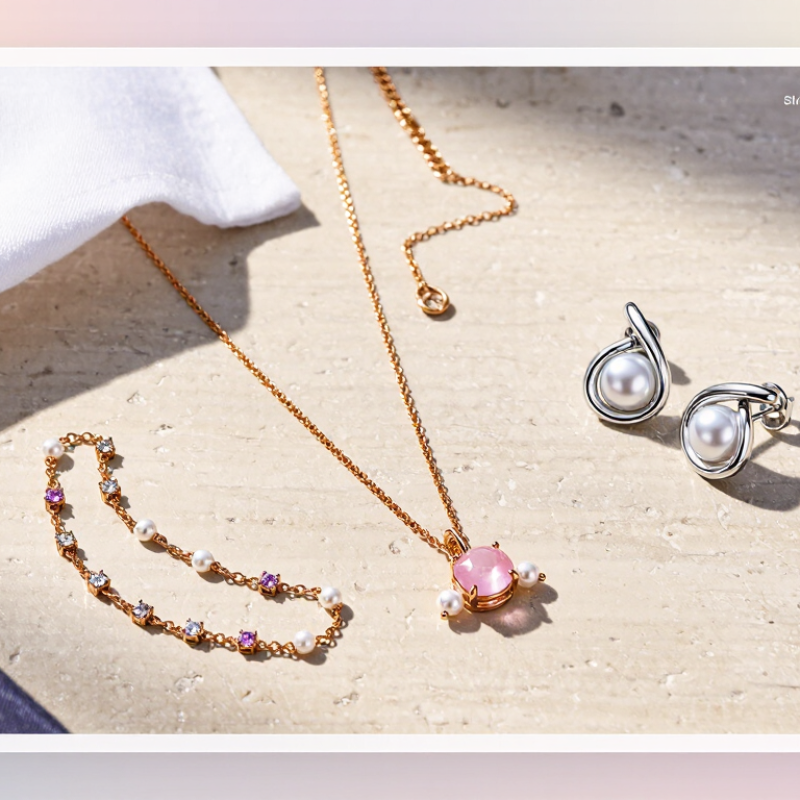
In 2026, global buyers will look for jewellery sets that feel coordinated without appearing overly matched. The strongest designs are likely to balance familiar craftsmanship with practical versatility: a necklace, earrings, and bracelet that work together, but also stand alone. Think fine gold-tone chains, softly colored stones, sculptural silver, and pearl details that suit both a daytime shirt and an evening dress. Materials and finish matter. So does comfort.
Industry data adds useful context, though it cannot predict every style choice. The World Gold Council’s Gold Demand Trends: Full Year 2024 reported global gold jewellery demand of about 1,877 tonnes, down 11% from 2023. That shift shows how price and purchasing conditions can influence material choices; it does not mean buyers have stopped valuing jewellery. McKinsey & Company’s The State of Fashion: Watches and Jewellery also examines changing consumer expectations and the importance of distinctive products. For buyers sourcing an All Jewellery Set, these signals point toward clear product stories, wearable proportions, and options across price points. Details matter. A set may photograph beautifully yet feel heavy after an hour, or look elegant online but arrive with inconsistent plating. Those gaps deserve attention. This overview explores the 2026 trends shaping global demand, while recognizing that regional tastes, budgets, and occasions differ—and forecasts can miss the turn.
Jewellery Set Categories and Global Buyer Segments
Jewellery sets in 2026 are increasingly chosen for how easily their pieces work together and apart. Common categories include necklace-and-earring pairs, coordinated bracelets, and fuller sets with rings or hair accessories. Lightweight designs suit daily wear, while layered metal finishes and colored stones add detail for celebrations. Keep it wearable.
Global buyers often shop by occasion and lifestyle, not just by category. Retailers serving office wear customers may favor compact studs, fine chains, and neutral finishes that pair with existing wardrobes. Wedding and festive buyers often seek more visible stones, coordinated colors, and matching necklaces with earrings. Travelers may prefer small, secure pieces that pack easily and resist tangling.
Preferences still vary within each market. Some customers value a complete matching look; others want pieces that can be styled separately. That distinction is easy to miss. Buyers should compare clasp quality, earring weight, stone setting, and finish consistency across the set. Clear product photos and accurate material descriptions help shoppers judge these details before ordering. A practical assortment can include entry-level sets, versatile mid-range options, and statement designs, with sizing and care information made easy to find.
2024 Gold Jewellery Demand: 1,877 Tonnes, Down 11% (WGC)
2026 Top All Jewellery Set Trends for Global Buyers
The World Gold Council’s Gold Demand Trends: Full Year 2024 reports global gold jewellery demand at 1,877 tonnes, down 11% year on year. Yet jewellery spending value rose 9% to a record US$144 billion, as higher prices lifted costs. The contrast matters: buyers still value gold, but many are choosing more carefully. Small detail, big signal.
For 2026, that points to coordinated sets that feel flexible rather than heavy: slim chains, compact pendants, and earrings that work alone or together. A set should look complete in a display, then separate easily for daily wear. Mixed textures can add presence without adding much metal weight. Not every market wants minimalism, though; wedding and gifting demand can favor richer silhouettes.
For importers, compare grams, alloy disclosure, clasp strength, and finish consistency across samples—not just photographs. WGC figures describe 2024 consumption, not a guaranteed 2026 forecast. That distinction is easy to miss. I would test two price tiers and a few adaptable designs before committing deeply; even this approach is imperfect, since local tastes shift quickly. Ask suppliers for repeatable specifications and inspect physical samples in daylight. Fit matters.
2026 Set Design Trends: Bridal, Layered, Modular and Minimal Styles
Bridal sets in 2026 are moving beyond perfectly matched necklaces and earrings. Buyers are choosing pieces that frame the neckline without competing with embroidery or lace. A slim pendant, small drop earrings, and a restrained bracelet can work well with a detailed gown. Check the clasp and stone settings under bright light; photographs often hide loose prongs. Small details matter.
Layered designs bring texture to simpler outfits. Two fine chains in different lengths can sit neatly above a collarbone, while mixed pearl and metal elements add contrast. The practical challenge is tangling. Longer chains may twist during wear, so test the spacing and weight before placing larger orders. Modular sets offer another option: detachable drops or reversible pendants let customers adjust a look from ceremony to dinner. The idea is useful, though tiny connectors can be easy to lose.
Minimal styles remain appealing to buyers seeking everyday wear. Narrow hoops, a clean bar pendant, or a pair of small studs can transition between work and evening settings. Comfort deserves more attention than trend photos suggest. Heavy earrings may look balanced on a display but feel tiring after several hours. Ask for clear measurements, material details, and close-up images, then compare them with a physical sample when possible. One drawback: understated designs leave little room to disguise uneven finishing.
2026 Top All Jewellery Set Trends for Global Buyers
2026 Set Design Trends: Bridal, Layered, Modular and Minimal Styles
| Trend | Typical Set Components | Design Characteristics | Common Materials and Finishes | Best-Suited Occasions | Buyer and Merchandising Considerations | 2026 Outlook |
|---|---|---|---|---|---|---|
| Bridal Statement Sets | Necklace, earrings, and sometimes a matching bracelet or hair ornament | Coordinated designs with prominent stones, balanced proportions, and details that complement bridal attire | Gold, sterling silver, platinum, pearls, and faceted gemstones; polished or mixed finishes | Weddings, receptions, engagement celebrations, and formal ceremonies | Offer coordinated pieces in multiple neck lengths and earring formats. Clear product photography helps buyers assess scale and how pieces work together. | Strong occasion-led demand |
| Layered Neckwear Sets | Two or three necklaces with coordinating earrings or a small pendant | Different chain lengths, varied pendant sizes, and a mix of fine and slightly bolder links | Gold-plated or solid gold options, sterling silver, delicate chains, and small natural or lab-grown stones | Everyday wear, gifting, travel, and casual celebrations | Specify each necklace length and show the pieces worn together. Lightweight designs and adjustable extenders can improve styling flexibility. | Versatile daily styling |
| Modular and Convertible Sets | Interchangeable pendants, detachable drops, reversible pieces, or add-on components | Components designed to be worn together or separately; secure, simple-to-use connections | Gold, silver, mixed metals, interchangeable charms, and gemstone or enamel accents | Workwear, travel, gifting, and occasions with more than one dress code | Explain attachment methods and included components. Show each configuration and make replacement or add-on parts easy to identify. | Flexible product concept |
| Minimal Matching Sets | Small earrings with a fine necklace, pendant, or delicate bracelet | Clean silhouettes, restrained detailing, subtle scale, and easy-to-coordinate shapes | Gold, silver, stainless steel, small pearls, and discreet gemstones | Daily wear, office settings, birthdays, and understated gifting | Provide close-up images and clear measurements, since scale and finish are important to online shoppers. Consider offering metal-color choices. | Broad everyday appeal |
| Pearl and Organic-Shape Sets | Pearl earrings paired with a pendant, short necklace, or simple bracelet | Soft asymmetry, irregular or baroque-inspired forms, and combinations of classic and contemporary shapes | Freshwater or cultured pearls, gold or silver settings, and polished organic forms | Weddings, celebrations, occasion dressing, and thoughtful gifts | Describe pearl type, approximate size, and natural variations accurately. Product images should show the individual character of each piece. | Classic with a modern update |
| Mixed-Metal Sets | Coordinated earrings, necklace, and bracelet combining two metal tones | Intentional contrast through links, layered components, or repeated two-tone details | Gold and silver tones, bimetal construction, or plated finishes over suitable base metals | Daily styling, workwear, and gifting for buyers who wear different metal colors | State the metal composition and finish clearly. Show the set beside both gold-tone and silver-tone accessories for styling context. | Easy-to-style option |
| Color-Accent Sets | Gemstone or enamel earrings with a coordinating pendant or bracelet | A defined accent color balanced by simple settings and repeatable design details | Colored gemstones, glass, enamel, and precious or plated metal settings | Seasonal dressing, celebrations, resort wear, and color-focused gifting | Use consistent color descriptions and disclose whether stones are natural, treated, lab-grown, or simulated where applicable. | Seasonal assortment potential |
| Personalized Pendant Sets | Initial, birthstone, or symbolic pendant with matching earrings or a fine bracelet | Small-scale motifs, optional personalization, and designs intended for everyday wear | Gold, silver, birthstones, engraved metal, and durable chain styles | Birthdays, anniversaries, family gifting, and personal milestones | Make personalization choices, character limits, production timing, and return conditions clear before purchase. | Gift-focused appeal |
Outlook labels are qualitative planning indicators, not market-share or sales forecasts. Material descriptions should be verified against the specifications of each individual product.
Responsible Materials: Recycled Gold Supply Rose 11% to 1,370 Tonnes in 2024 (WGC)
Responsible materials are shaping jewellery-set choices for 2026. The World Gold Council reported that recycled gold supply rose 11% to 1,370 tonnes in 2024. That figure signals growing availability, but it does not mean every gold set contains recycled metal. Buyers should ask what the claim covers: the whole piece, selected components, or only part of the metal.
Tips: Request written sourcing details and clarify whether stones, clasps, and chains follow the same standard. Keep invoices and material descriptions together. Small details matter.
For coordinated sets, recycled gold can suit matching necklaces, earrings, and bracelets without changing their classic look. Ask suppliers about alloy composition, finish, and repair options; these affect durability and future maintenance. Traceability may vary, and paperwork can be incomplete. That is worth acknowledging, not glossing over. A careful buyer compares evidence rather than relying on a green label alone. Even a clear answer about one component is more useful than a broad promise about the entire set.
Global Buying Criteria: Hallmarks, Gemstone Grading, Certification and Pricing
2026 Top All Jewellery Set Trends for Global Buyers
For global buyers, a jewellery set should be assessed piece by piece, not by its display box. Check each metal item for a recognized hallmark and confirm what it certifies: fineness, maker, or assay. Marking rules differ across markets, so a stamp alone may not prove a set’s full composition. The World Gold Council’s Gold Demand Trends: Full Year 2024 reported global gold jewellery consumption of 1,877 tonnes, down 11% year on year. Price pressure matters. Ask for itemized weights, gemstone details, workmanship charges, and the metal-price basis used in the quote.
Gemstone grading needs equal care. Diamond reports commonly describe the 4Cs, while colored stones require attention to species, treatments, color, and origin claims. Request a report from a qualified gem laboratory, and check that its report number matches the stone. A certificate describes findings; it does not automatically establish resale value or settle every pricing question. That distinction is easy to miss.
Tips: Compare like with like. Request photographs of hallmarks, a written stone description, and a line-by-line invoice. Confirm whether a report covers every stone or only the center stone. Keep the paperwork. Some details may still be unclear, so ask before paying.
FAQS
Sets may pair necklaces and earrings, coordinate bracelets, or include rings and hair accessories. Lightweight pieces suit daily wear.
Office styles often use small studs, fine chains, and neutral finishes. Weddings and celebrations may call for brighter stones and coordinated colors.
Compare clasp quality, earring weight, stone settings, and finish consistency. Clear photos help, but they cannot show every flaw.
A slim pendant, small drop earrings, and a restrained bracelet can complement lace or embroidery. Check settings under bright light.
Different chain lengths can add texture to a simple outfit. Longer chains may twist together. Test their spacing and weight.
Detachable drops or reversible pendants can shift a look from ceremony to dinner. Tiny connectors may be easy to lose.
Ask for measurements and weigh heavy earrings carefully. Display pieces can look balanced but feel tiring after several hours.
No. Recycled gold supply rose 11% to 1,370 tonnes in 2024, but that does not verify a particular set.
Ask which components are covered and request written sourcing details. Keep invoices and material descriptions together. Paperwork can still be incomplete.
Conclusion
The 2026 jewellery-set market serves diverse buyers, from bridal shoppers and occasion-wear customers to retailers seeking versatile everyday collections. An All Jewellery Set may include coordinated pieces for a complete look, while buyer preferences vary by region, budget and style. Although global gold jewellery demand fell 11% to 1,877 tonnes in 2024, demand patterns point to the value of offering designs across different price points and use cases.
Key design directions for 2026 include expressive bridal sets, layered combinations, modular pieces that can be worn in different ways, and minimal styles suited to daily wear. Responsible sourcing is also gaining attention: recycled gold supply rose 11% to 1,370 tonnes in 2024, according to the World Gold Council. For confident purchasing, global buyers can compare clear hallmarks, gemstone grading details, relevant certification and transparent pricing, alongside craftsmanship and material information.

Blog Tags:
\n