
{"html":"\n\n\n\n\nWhich Jewelry Sets Are Best for Wholesale Buyers in 2026?\n\n\n\n\n\n\n\n\n\n\n\n\n\n\n\n\n\n\n\n\n\n\n\n\n\n\n\n\n\n\n\n\n\n\n\n\n\n\n\n\n\n\n\n\n \n\n\n\n\n
\n

Which Jewelry Sets Are Best for Wholesale Buyers in 2026?

Time:2026-11-23 Author:Mason
0%

For wholesale buyers, the best Jewelry Sets in 2026 will balance visual appeal with dependable sell-through. A coordinated necklace, earrings, and bracelet can make a clear display story. But matching pieces must also work individually. That detail matters when a customer likes the earrings but hesitates over the full set.

Industry data offers useful context. The World Gold Council’s Gold Demand Trends: Full Year 2024 reported that global gold jewelry demand fell 11% by volume, while spending rose 9% to a record US$144 billion. The report does not track jewelry sets separately, so these figures are a market signal—not a set-sales forecast. Still, they underline the need to check metal costs, target price points, and replenishment options before committing to deep inventory. Small test orders help. Sometimes, though, a cautious order misses a short-lived trend.

For a grounded buying approach, consider the work of Shaokai Fan, the World Gold Council’s Head of Asia-Pacific. His market commentary highlights how gold prices and regional consumer preferences shape jewelry demand. That is a useful reminder for buyers comparing gold-plated, sterling-silver, and fine-jewelry sets: materials should fit the customer and the margin plan. Look closely at clasp quality, stone setting, finish consistency, and packaging. A polished sample is not proof of consistent production. The strongest 2026 assortment may be less about chasing one viral look and more about selecting adaptable designs, reliable suppliers, and price tiers customers can understand.
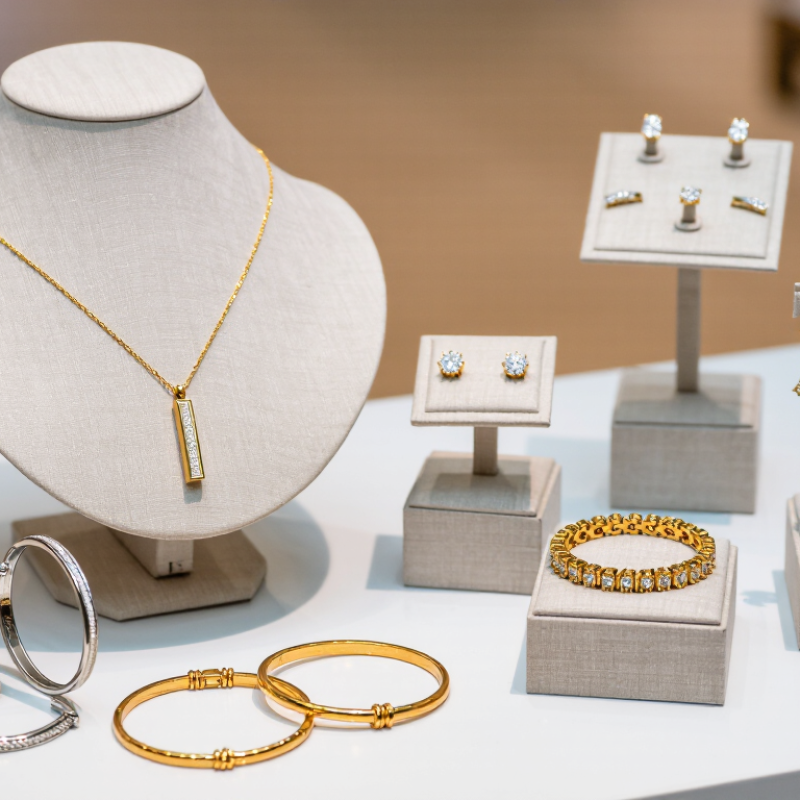
Which Jewelry Sets Are Best for Wholesale Buyers in 2026?

What Defines a Wholesale-Ready Jewelry Set in 2026?

Which Jewelry Sets Are Best for Wholesale Buyers in 2026?

A wholesale-ready jewelry set is more than several matching pieces in one box. Each item should share a clear design language, such as brushed gold-tone metal, small freshwater-style pearls, and consistent stone colors. Buyers also need dependable sizing, secure clasps, smooth edges, and finishes that look consistent across samples and repeat orders. Small flaws matter. A clasp that catches on fabric can turn a polished display into a return.

Practicality counts. Sets should be easy to photograph, store, and replenish, with packaging that protects delicate chains from tangling. Check whether the pieces can sell together or separately; this gives retailers more flexibility when customer preferences shift. Ask for material details, care guidance, and sample pieces before committing to larger quantities. One detail is easy to miss: a set may look balanced on a model but feel heavy during a full day of wear.

Tips: Compare samples under daylight and indoor lighting. Test each clasp, lay chains flat, and check that pairings look intentional. Record finish and sizing notes, so later orders can be checked against the original sample. If something feels slightly off, ask why before scaling up.

Which Jewelry Set Types Match Different Buyer Markets?

Different buyer markets need different jewelry set formats. Independent boutiques often do well with coordinated necklace-and-earring pairs that look complete on a small display. A delicate gold-tone set may suit everyday gifting, while colorful stones can add a visible seasonal accent. Keep the pieces wearable. Buyers may hesitate if a set feels too formal or difficult to style.

Online retailers often benefit from sets with clear product photos and predictable contents. A three-piece combination, such as a necklace, studs, and bracelet, gives shoppers an easy gift option. Wholesale buyers should check clasp quality, plating consistency, and whether the pieces sit neatly together. Small details show up clearly in close-up images. Test a sample first.

Department stores and occasion-focused shops may prefer bolder sets, including matching earrings and statement necklaces. Bridal buyers often seek softer finishes and coordinated details, but tastes vary by customer and region. Avoid assuming one style fits every market. A mixed assortment can help, though it may complicate reordering. Track which colors and components sell, then adjust pack quantities before the next purchase.

Which Jewelry Sets Are Best for Wholesale Buyers in 2026? — Which Jewelry Set Types Match Different Buyer Markets?

Jewelry set type Typical pieces Common materials and finishes Buyer markets it may suit Wholesale merchandising considerations
Everyday minimalist sets Stud earrings, a fine necklace, or a small pendant-and-earring pairing Sterling silver, gold-plated base metal, stainless steel, small crystals or plain polished surfaces Fashion boutiques, online general-merchandise stores, gift shops, and retailers serving customers who prefer versatile daily wear Compact designs are easy to display and pair with other accessories. Offer simple styles and clear material and care information.
Bridal and occasion sets Necklace, matching earrings, and sometimes a bracelet or hair accessory Crystal or glass accents, cubic zirconia, pearls, plated alloys, sterling silver, or other metals depending on the product tier Bridal retailers, formalwear shops, occasionwear boutiques, and gift retailers Coordinate the set’s finish and visual scale. Include clear product images and specify whether pieces are sold only as a set or separately.
Pearl-inspired sets Pearl-style necklace with matching earrings; some collections add a bracelet Cultured pearls or imitation pearls, paired with sterling silver, plated metal, or gold-tone findings Gift shops, department-store jewelry counters, bridal retailers, and boutiques seeking classic or polished styles Label pearl type accurately. Buyers can compare products more reliably when listings distinguish cultured pearls from imitation pearls.
Colorful fashion sets Statement earrings with a coordinating necklace or bracelet Enamel, glass beads, acrylic, colored stones, textile details, or mixed materials Trend-led boutiques, resort and vacation shops, festival retailers, and apparel stores adding accessories Use color stories that coordinate with apparel assortments. Check component consistency and provide accurate material disclosures.
Personalized and initial sets Initial or name pendant with matching earrings, bracelet, or charm Sterling silver, gold-plated metal, stainless steel, or other base metals; personalization may be engraved or formed into the design Gift retailers, online sellers, souvenir shops, and stores offering customized products Confirm available letters, customization lead times, packaging, and return terms before placing orders for made-to-order inventory.
Men’s accessory sets Bracelet and necklace pairing, or cufflinks with a tie bar Stainless steel, leather, sterling silver, plated metal, or fabric, depending on the style Men’s apparel stores, gift shops, formalwear retailers, and online accessory stores State bracelet and necklace dimensions, closure type, and material. For formal sets, show each piece clearly in product photography.
Children’s and dress-up sets Small necklace-and-earring combinations, bracelets, or coordinated dress-up pieces Commonly non-precious metals, plastic, acrylic, or fabric components; materials vary by product Toy and gift shops, children’s boutiques, party-supply retailers, and seasonal gift assortments Verify age grading, applicable safety requirements, small-parts warnings, and material compliance for the markets where products will be sold.
Travel-friendly mix-and-match sets A small selection of coordinating earrings, necklaces, or bracelets designed to be worn in different combinations Lightweight metals, stainless steel, beads, or plated components; specific materials depend on the collection Travel retailers, resort shops, online accessory stores, and gift shops focused on practical, packable items Compact packaging and versatile styling can support travel retail. Provide piece counts and dimensions so buyers can assess the assortment.

Note: Market matches are general merchandising suggestions, not guarantees of demand. Materials, product specifications, labeling, and safety requirements vary by item and destination market; buyers should confirm them with suppliers before ordering.

How Do Materials and Craftsmanship Affect Wholesale Value?

Material choice sets the starting point for wholesale value, but the lowest unit cost rarely tells the whole story. Stainless steel can suit everyday sets because it resists routine wear, while sterling silver offers a different price point and care profile. Brass allows detailed shapes, yet plating quality matters. Ask for clear material specifications and, when possible, inspect a production sample. That matters.

Craftsmanship affects how a set looks after repeated handling. Check the joins, clasp movement, stone settings, and edges that touch skin or clothing. A secure clasp should close cleanly, and stones should sit evenly without sharp prongs. For plated pieces, ask about the plating process and thickness rather than relying on a glossy sample alone. Small inconsistencies can become costly when multiplied across a large order.

A polished sample can still hide uneven batch work; that is easy to miss when buying from photos. Compare several pieces from the same lot, and confirm how quality checks are documented. Also consider repairability and packaging needs, since fragile components may raise handling costs. Wholesale value comes from balancing material cost, finish consistency, expected wear, and the price your customers will accept. A cheaper set may be the better choice for a trend-driven range, but not if early defects lead to returns.

Which Trends and Price Factors Should Buyers Compare?

For 2026, the best jewelry sets for wholesale buyers will depend on customer style, target price, and how easily pieces can be sold together. Compare coordinated necklaces and earrings with mix-and-match sets, which let shoppers create more looks from fewer pieces. Layered chains, sculptural hoops, and pearl accents remain worth watching, but demand can vary by market. Details matter. Check clasp function, earring weight, stone setting, and whether the finish looks consistent across the set. A polished sample does not always reveal how products perform after repeated wear.

Compare price by more than the quoted unit cost. Metal type, plating thickness, stone quality, assembly time, packaging, minimum order quantity, and shipping can all change the final cost. Ask suppliers to itemize what is included and confirm that repeat orders will match the approved sample. If two sets look similar, compare their landed costs and expected retail margins. These estimates are not guarantees; sales may shift with season and customer preference.

Tips: Request samples from shortlisted suppliers and inspect them under natural light. Wear-test clasps and closures, and note any finish changes. Calculate cost per sellable set, including packaging and freight. Keep a small trial order in the assortment when possible. A little uncertainty remains, so review sales data before committing to a larger reorder.

Which Jewelry Sets Are Best for Wholesale Buyers in 2026?

Compare indicative wholesale planning ranges by material and style. All figures are illustrative USD per finished set, not market averages or supplier quotes.

Trend fit is only one part of the decision: pearl and mixed-material designs can add visual interest, while stainless steel and plated alloy may suit more price-sensitive assortments. Compare material, plating thickness, components, workmanship, packaging, order quantity, and customization before requesting quotes. Actual prices vary by specification and supplier.

How Can Buyers Choose Reliable Jewelry Set Suppliers?

Reliable jewelry-set suppliers prove consistency before asking for large orders. Request samples from the actual production line, not only polished showroom pieces. Check clasp tension, stone alignment, plating color, and whether pairs match under daylight. Small differences matter on a retail display. So does packaging.

McKinsey and The Business of Fashion’s State of Fashion 2024 report found that 73% of surveyed fashion executives expected geopolitical instability to affect the industry more in 2024 than in 2023. The finding covers fashion broadly, not jewelry alone, but it highlights why buyers should ask where components are sourced and how delivery delays are handled. Get lead times, minimum order quantities, defect policies, and replacement terms in writing. Vague promises are not a supply plan.

Material traceability deserves equal attention. The World Gold Council’s Gold Demand Trends: Full Year 2023 reported global gold jewellery demand of 2,093 tonnes that year. For gold-plated or mixed-material sets, ask suppliers to specify base metals, plating thickness, and care guidance; request supporting specifications where available. Compare repeat samples from separate batches. A single sample can flatter a supplier. I would still test one clasp after repeated opening and closing, even if the first inspection looks perfect.

FAQS

Which materials should wholesale buyers compare for jewelry sets?

Stainless steel suits everyday wear and resists routine use. Sterling silver has a different price and care profile. Brass supports detailed shapes, but plating quality matters.

What craftsmanship details should buyers inspect?

Check joins, clasp movement, stone settings, and edges that touch skin or clothing. Stones should sit evenly, without sharp prongs. A clasp should close cleanly.

Can a polished sample confirm consistent quality?

Not always. Compare several pieces from the same batch, preferably in natural light. A single sample can hide uneven finishes or mismatched pairs.

What costs should buyers include beyond the unit price?

Include materials, plating thickness, stones, assembly, packaging, minimum order quantities, and shipping. Calculate the landed cost per sellable set. Small costs add up.

Which jewelry set styles may be worth comparing for 2026?

Buyers can compare coordinated necklace-and-earring sets with mix-and-match options. Layered chains, sculptural hoops, and pearl accents may appeal to some markets. Demand varies.

How can buyers check whether a set will hold up during wear?

Open and close the clasps repeatedly, then look for finish changes. Check earring weight and stone security, too. I might test the clasp twice.

What should buyers ask suppliers before placing a large order?

Request production-line samples, written lead times, minimum quantities, defect policies, and replacement terms. Ask how delays are handled. Vague promises are not a plan.

How can buyers reduce risk before reordering?

Place a small trial order when possible, then review sales and defects. Confirm repeat batches match the approved sample. Estimates can be wrong.

Conclusion

In 2026, the best Jewelry Sets for wholesale buyers are those that balance broad market appeal, dependable quality, and practical pricing. Buyers should first consider what their customers prefer, whether that means coordinated everyday pieces, occasion-ready designs, or styles suited to particular age groups and retail channels. A wholesale-ready set should offer consistent sizing and finishes, attractive presentation, and clear product details that make it easy to stock and sell.

Materials and craftsmanship strongly influence durability, perceived value, and suitable price points. Compare current design trends with realistic demand rather than choosing styles on novelty alone, and account for minimum order quantities, lead times, packaging, and shipping when evaluating costs. Before placing a large order, assess suppliers for consistent quality, transparent communication, sample availability, and reliable fulfillment. These considerations can help buyers select Jewelry Sets that fit their market, protect margins, and support repeat purchases.

Mason

Mason

Mason is a seasoned marketing professional with a deep expertise in the company's offerings and a passion for driving brand awareness. With a strong background in digital marketing strategies, he has an innate ability to connect with diverse audiences and effectively communicate product benefits.......
\n
\n\n\n\n \n"}