 \n
Featured High-Precision Real Gold Plated Collections
Inspected under AQL 2.5 standards and verified via X-ray Fluorescence (XRF) spectroscopy for uniform thickness and nickel-free compliance.



1. The Evolution of Affordable Real Gold Jewelry: Market Shifts & Technical Realities
The global jewelry landscape is experiencing a structural paradigm shift. Driven by skyrocketing spot prices for solid bullion (with 24K gold exceeding historic thresholds), consumer purchasing behavior has permanently pivoted toward Affordable Real Gold Jewelry. Modern B2B procurement leaders, luxury brand directors, and fast-fashion inventory managers no longer view "gold jewelry" strictly through the binary lens of solid 18K gold versus cheap brass costume pieces. Instead, advanced metallurgical techniques—specifically Physical Vapor Deposition (PVD) real gold vacuum coating, heavy Gold Vermeil (2.5µm 18K gold over 925 Sterling Silver), and high-karat 10K/14K solid alloy miniaturization—have established a robust middle market known as Demi-Fine Luxury.
In response to this transformation, specialized wholesale affordable real gold jewelry factories have retooled their industrial operations. Where traditional electroplating factories relied on thin wet-chemical gold baths (flash plating under 0.03 microns) that tarnished within weeks, modern OEM/ODM factories utilize magnetron sputtering and automated PVD vacuum chambers. This process fuses genuine 18K or 14K real gold atoms directly onto surgical-grade 316L stainless steel or refined brass substrates. The resulting product delivers the exact atomic color, thermal density, and skin feel of solid 18K gold at 1/20th of the raw material cost, offering brands margins exceeding 65% to 80% while preserving strict consumer satisfaction.
In modern B2B procurement, high-performing fashion brands do not measure real gold plated jewelry by surface brightness alone. The standard metric is Abrasion Resistance Life Cycles (ASTM D4060 standard) combined with XRF-verified layer density. A true 18K real gold PVD vacuum coating with a Titanium Nitride (TiN) adhesion layer withstands over 2,000 friction cycles before base metal exposure, achieving a zero-tarnish lifespan of 2 to 5 years under daily water exposure.
Real Gold Vacuum PVD
Ionized 18K real gold targeted inside a vacuum chamber. Fuses at an atomic level onto 316L stainless steel for waterproof, sweatproof, and non-tarnish wear.
925 Heavy Gold Vermeil
Engineered for luxury boutique catalog lines. Features a minimum 2.5-micron thickness of authentic gold electroplated over hypoallergenic sterling silver.
Solid 10K / 14K Micro-Casting
Precision lost-wax casting using certified recycled gold alloys. Designed for luxury brands requiring hallmark compliance (417 for 10K, 585 for 14K).
Evaluating Real Gold Finishing Technologies for Global B2B Sourcing
A comparative evaluation of surface finishes, manufacturing costs, tarnish resilience, and target market compatibility.
| Plating / Substrate Specification | Real Gold Thickness (Microns) | Tarnish Resistance Rating | Production Unit Cost Range (USD) | Regulatory Compliance | Ideal Retail Positioning |
|---|---|---|---|---|---|
| Flash Gold Electroplating (Brass/Zamak) | 0.01µm - 0.03µm | Low (3 - 6 Months) | $0.80 - $2.50 | Requires Clear Lacquer Sealer | Fast Fashion / Mass Market Retail |
| 18K Real Gold Vacuum PVD (316L Stainless Steel) | 0.05µm - 0.15µm + TiN Base | Ultra-High (3-5 Years Waterproof) | $1.80 - $5.50 | REACH, California Prop 65, EN 1811 | E-commerce Private Labels & Premium Chains |
| Heavy Gold Vermeil (925 Sterling Silver Substrate) | 2.50µm Real 18K/24K Gold | High (18 - 36 Months) | $6.50 - $18.00 | Full Precious Metal Stamping (925) | Heritage Boutiques & Fine Jewelry Alternatives |
| 14K Solid Gold Lost-Wax Cast (585 Alloy) | Solid Core Alloy Throughout | Permanent (Lifetime) | $35.00 - $180.00+ (Spot Gold Dependent) | Global Hallmark Assay Compliant | Fine Jewelry Showrooms & Luxury E-commerce |
2. China Industry 4.0: Supply Chain Resilience and Manufacturing Precision
The manufacturing ecosystem for affordable real gold jewelry factories in China (primarily centralized in Zhejiang hubs such as Yiwu and Guangdong jewelry clusters in Panyu and Shenzhen) has undergone an industrial revolution. Modern procurement is no longer dependent on manual craft operations; it is driven by automated, digital-twin production architectures.
Automated CAD-to-Laser Sintering & Rapid Tooling
Where historical tooling cycles required 30 days to carve wax molds, current Industry 4.0 production environments leverage high-resolution SLA 3D printing and direct metal laser sintering (DMLS). Concept sketches submitted by enterprise brands are transformed into parametric 3D CAD models within 24 hours. Physical sample prototypes with exact gemstone tolerances and stone-setting bezels are delivered within 7 business days, slashing time-to-market by 75%.
Automated Real Gold Vacuum PVD Cleanroom Infrastructure
Leading manufacturing plants house multi-chamber ion-plating systems operating under ISO Class 7 dust-free cleanroom environments. High-purity 24K target gold anodes are vaporized using argon gas plasma, establishing uniform atom deposition over complex geometries, including paperclip chains, hollow wheat necklaces, and baroque pearl stone settings. The integration of inline spectrophotometers ensures zero color variation (ΔE < 0.5) across production batches of 100,000 units.
Strict Regulatory Audit
Full compliance documentation for REACH Annex XVII, California Proposition 65 (Lead < 90 ppm, Cadmium < 75 ppm), and CPSIA standards.
Triple-Gate QC Protocol
Every batch passes raw material purity testing, in-line casting structural integrity inspection, and post-plating salt-spray corrosion analysis.
Agile Supply Chain Scaling
Low MOQ starting options (50-100 pcs/style) paired with scalable mass manufacturing capabilities exceeding 1,000,000 units per month.
3. Regional Application Scenarios & Global Sourcing Demands
Sourcing requirements for real gold jewelry vary significantly based on regional consumer habits, climate conditions, and sales channel models. China’s advanced OEM factories customize alloy bases, gold tones, and protective coatings according to destination market specifications:
North America (DTC E-Commerce & Amazon Private Labels)
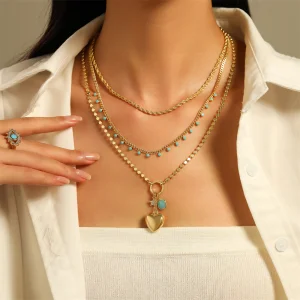
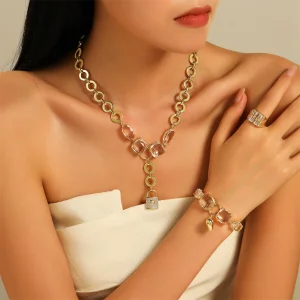
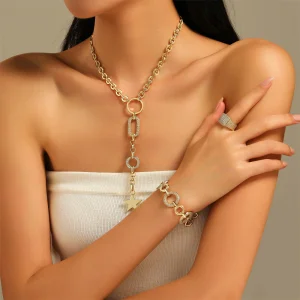
North American digital brands demand sweatproof, tarnish-free everyday wearability. Products like gold curb chain heart pendants, paperclip Y-drop necklaces, and stackable beaded chokers must survive daily shower routines, gym environments, and lotion applications. Factory standards for this region mandate 18K real gold PVD plating over 316L stainless steel, paired with custom laser-engraved logo tags and FBA-compliant barcode packaging.
Western Europe (Boutique Chains & Fine Jewelry Retailers)
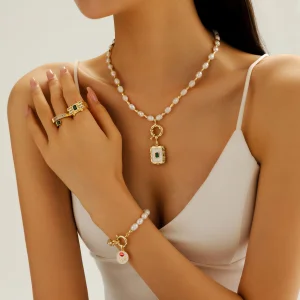
European buyers prioritize material transparency and strict chemical compliance. Sourcing guidelines mandate zero nickel, zero lead, and zero cadmium release certified by independent laboratories like SGS or Bureau Veritas. Top-selling product lines include vintage baroque pearl necklace sets with emerald pendants, horsebit collarbone chains, and heavy gold vermeil items carrying 925 hallmarks.
Middle East & Latin America (High-Karat Aesthetics & Statement Collections)
Buyers in LATAM and Middle Eastern markets prefer rich, deep yellow gold tones replicating authentic 22K to 24K solid metal finishes. Factories utilize custom target alloys to produce warm, radiant yellow gold PVD coatings applied over vintage coin jewelry sets, wheat-pattern necklace lines, and bold statement bracelets.
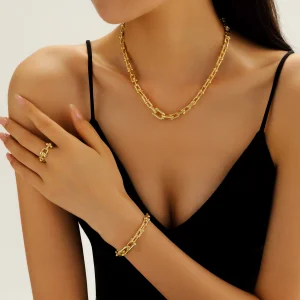
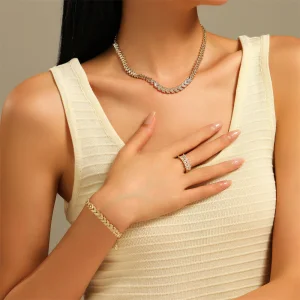
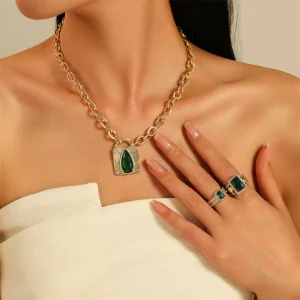
Complete Factory Direct Wholesale Real Gold Line
High-margin catalog additions designed for global jewelry brand expansion and private label customization.





Frequently Asked Questions for Wholesale Real Gold Sourcing
Clear, authoritative responses detailing technical specifications, regulatory compliance, quality control protocols, and custom manufacturing terms.
How do affordable real gold jewelry factories ensure gold plating doesn't tarnish or turn skin green?
Tarnishing and skin discoloration (turning green) occur when base metals such as copper, nickel, or low-grade zinc alloys oxidize upon contact with sweat and ambient oxygen. Professional Chinese factories prevent this using a multi-layer metallurgical barrier system:
- Substrate Selection: Utilizing surgical-grade 316L stainless steel or lead-free brass.
- Barrier Undercoating: Applying an intermediate nickel-free Titanium Nitride (TiN) or palladium barrier layer that prevents copper atoms from migrating to the surface.
- Vacuum PVD Real Gold Layer: Sputtering authentic 18K or 14K real gold inside high-vacuum chambers. The atomic bond resists water, sweat, and friction far beyond conventional wet electroplating.
What is the difference between Real Gold PVD Coating, Gold Vermeil, and Flash Gold Plating?
The primary differences lie in substrate metal, gold layer thickness, and deposition method:
- Real Gold PVD (Physical Vapor Deposition): Fuses real 18K gold atoms to stainless steel in a vacuum. Ultra-durable, waterproof, highly affordable ($1.80–$5.50), and ideal for daily-wear fashion brands.
- Gold Vermeil: Requires a solid 925 Sterling Silver base coated with at least 2.5 microns of authentic gold via electroplating. Higher price point ($6.50–$18.00), suited for boutique jewelry collections.
- Flash Gold Plating: A quick wet-dip bath yielding a ultra-thin coating (under 0.03 microns) over brass or zinc. Low cost ($0.80–$2.50), but prone to tarnishing within a few months of wear.
What is the Minimum Order Quantity (MOQ) and production turnaround for OEM/ODM orders?
Standard wholesale catalog styles start at an accessible MOQ of 50 to 100 pieces per design. For fully custom OEM development (requiring custom 3D CAD modeling and unique molds), the MOQ is typically 200 pieces per style.
Turnaround Timelines: Digital 3D CAD drawings are completed within 24–48 hours; 3D printed physical samples take 7–10 working days; full mass production runs require 15–25 days depending on batch size and packaging requirements.
What compliance testing and certifications are available for international customs clearance?
Shipments comply with strict international heavy metal safety standards. Production facilities provide laboratory test reports from accredited third parties (SGS, Bureau Veritas, Intertek) verifying:
- EN 1811: Nickel release limits compliance (< 0.5 µg/cm²/week).
- REACH Annex XVII: European regulation compliance for Lead, Cadmium, and Nickel content.
- California Proposition 65: Heavy metal safety verification for North American markets.
- XRF Spectrometry: Precise measurement of gold layer thickness and base metal alloy purity.
Can factories match exact target gold shades (e.g., 14K Light Gold, 18K Yellow Gold, 24K Deep Gold, Rose Gold)?
Yes. PVD vacuum chambers adjust target gas mixtures and gold alloy compositions to reproduce precise color standards. Brands can provide a physical master sample or specify Pantone/CIELAB color target coordinates. Master color standards are retained on file to ensure absolute color consistency across reorders placed years apart.