 \n
Featured Ethiopian Market Bestsellers
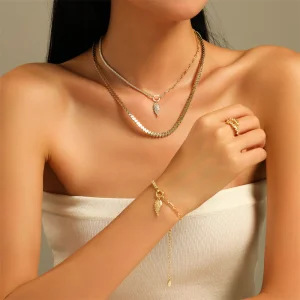
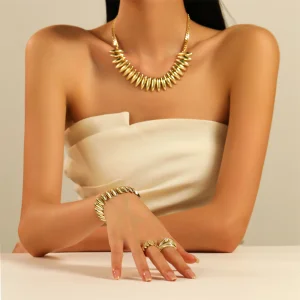
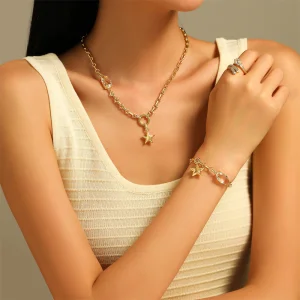
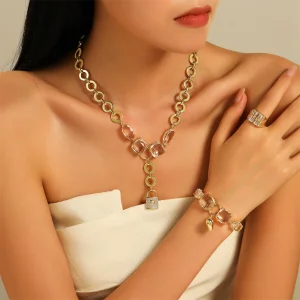
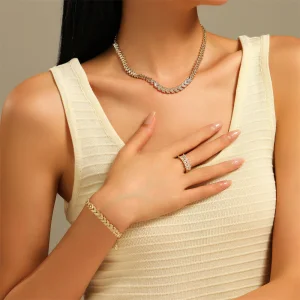
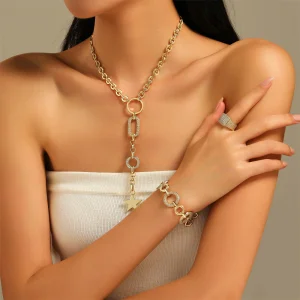
Precision-engineered fashion accessories optimized for East African retail demands, featuring heavy 18K/24K vacuum gold plating and premium anti-corrosion bases.
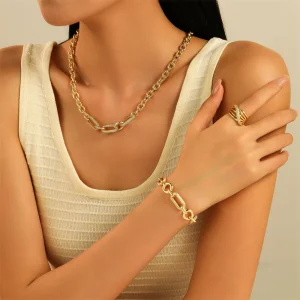
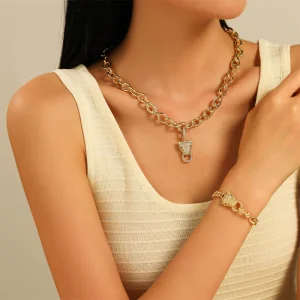
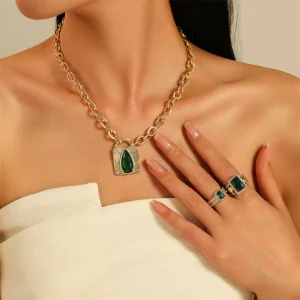
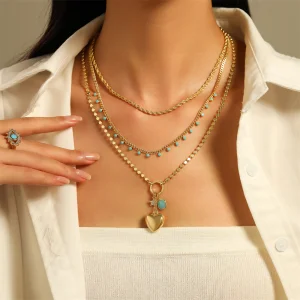
Ethiopian Commercial Landscape & Fashion Jewelry Dynamics
As one of Africa’s fastest-growing economies, Ethiopia represents a dynamic and rapidly evolving consumer market driven by demographic expansion, accelerating urbanization in key hubs like Addis Ababa, Dire Dawa, and Hawassa, and a burgeoning middle class. With a population exceeding 120 million people, the demand for affordable luxury, personal adornment, and high-quality fashion accessories has surged exponentially over the past decade.
Traditionally, physical gold jewelry held a dominant position in Ethiopian cultural events, weddings, and religious celebrations such as Timkat (Epiphany) and Meskel. However, shifting macroeconomic realities, fluctuating worldwide bullion prices, and local currency adjustments have fundamentally transformed consumer buying behavior. Modern Ethiopian consumers—particularly urban women and young professionals—are increasingly turning toward premium gold-plated costume jewelry and durable 316L stainless steel fashion sets. These products offer the rich aesthetic brilliance of traditional 18K and 24K Ethiopian yellow gold at a fraction of the cost, making fashion jewelry one of the highest-margin, fastest-turning retail categories in major commercial hubs like Addis Ababa’s Mercato market.
Emerging Retail Clusters
Beyond the historic commercial engine of Addis Ababa's Mercato, modern shopping centers across Bole, Kazanchis, and Silver City are witnessing a shift toward structured retail chains, boutique fashion stores, and private-label jewelry brands that require continuous, low-defect factory replenishment.
Shifting Intent & Aesthetic Preferences
Ethiopian buyers exhibit distinct design preferences: heavy yellow-gold visual tones, intricate filigree detailing, tribal cross motifs, and full matching sets (necklace, bracelet, earrings, and rings). Products failing to meet these strict aesthetic standards face slow inventory turnover.
Material Engineering & Plating Standards for East Africa
Supplying the Ethiopian market requires robust engineering capable of enduring harsh semi-arid climatic conditions, high ambient humidity during rainy seasons, and daily wear without surface tarnish or skin reactivity. Unverified suppliers often rely on cheap flash-plating methods that oxidize within weeks, leading to brand erosion for Ethiopian importers. As a premier China jewelry factory, Yiwu Muxi Jewelry Co., Ltd. implements industrial-grade metallurgical and plating processes specifically engineered for tropical and sub-Saharan durability.
316L Stainless Steel Base
Our core product lines utilize surgical-grade 316L stainless steel or eco-friendly brass. 316L steel delivers extreme tensile strength, superior corrosion resistance against human perspiration, and non-allergenic properties essential for sensitive skin.
PVD Vacuum Ion Plating
We deploy Physical Vapor Deposition (PVD) titanium gold vacuum plating, establishing coating thicknesses between 0.03 to 0.1 microns. This process bonds gold at a molecular level, providing 10x greater wear resistance than traditional water electroplating.
XRF Thickness Verification
Every production batch undergoes X-Ray Fluorescence (XRF) spectrometry testing to verify plating thickness and metal purity, accompanied by 24–48 hour salt-spray testing reports prior to container loading.
China Supply Chain Integration & Direct Factory Advantages
Located in Yiwu, Zhejiang—the global manufacturing and trading capital for fashion accessories—our facility seamlessly integrates design, rapid 3D CAD modeling, precision casting, automated polishing, PVD plating, and custom retail packaging under one managed operational workflow. This end-to-end centralization eliminates third-party markups, providing Ethiopian wholesalers and cross-border buyers with unassailable margin advantages.
Agile Prototype Development & 7-Day Sampling
Our in-house design team utilizes high-precision 3D wax printers to transform Ethiopian buyer concepts, sketches, or physical reference samples into fully costed physical prototypes within 7 to 10 working days. This rapid prototyping cycle allows African retailers to capture emerging fashion trends before traditional supply channels can react.
- Rapid CAD Modeling: Initial digital renders delivered within 48 hours.
- Custom Tooling: Low-cost mold creation with tooling fee rebates applied to volume orders.
- Flexibility: Custom gemstone insertions (cubic zirconia, synthetic agate, enamel finishes).
Quality Assurance & AQL 2.5 Compliance
To ensure zero shipment delays or customs disputes in Djibouti/Addis Ababa ports, our quality management framework enforces ISO 9001 standards across three strict inspection checkpoints: raw material analysis, post-plating surface audit, and final pre-pack assembly checks based on AQL 2.5 international sampling limits.
- Batch Pass Rate: Consistent 99.5% final pass rate maintained across all export lines.
- Zero Nickel Release: Tested to EN 1811 and REACH Annex XVII European safety benchmarks.
- Transparent Auditing: Photo and video QC reports dispatched to buyers prior to carton sealing.
Navigating Ethiopian Import Regulations & Shipping Logistics
Successfully importing manufactured goods into Ethiopia requires a deep understanding of local trade compliance, currency authorization, foreign exchange allocation, and customs clearance procedures. As an experienced exporter supplying East African markets, Yiwu Muxi Jewelry Co., Ltd. streamlines the international procurement journey for Ethiopian businesses.
National Bank of Ethiopia (NBE) & LC Support
We work directly with Ethiopian commercial banks to fulfill Letter of Credit (LC), Cash Against Documents (CAD), and Advance Payment terms in compliance with NBE foreign exchange directives. Full proforma invoicing and HS Code classification (7117.19) are provided promptly.
Djibouti Transit Corridor Logistics
Over 95% of sea freight bound for landlocked Ethiopia transits through the Port of Djibouti before moving along the Ethio-Djibouti Railway or highway transport to Modjo Dry Port. We coordinate seamlessly with freight forwarders for FOB, CIF, or DDP delivery.
ESA Certification & Customs Cleanliness
Our export documentation complies with Ethiopian Standards Agency (ESA) parameters and ERCA customs requirements, supplying clean Packing Lists, Certificates of Origin (COO), and commercial invoices to ensure hassle-free customs release.
Cultural Alignment & Retail Product Use-Cases
Fashion accessories in Ethiopia are deeply intertwined with cultural identity, traditional celebrations, and daily personal presentation. Successful catalog curation requires aligning product designs with specific local consumption events.
1. Traditional Weddings & Habesha Dress Pairings
Ethiopian wedding celebrations call for ornate, multi-piece jewelry sets (Necklace, Bracelet, Earrings, Ring) that complement traditional hand-woven Habesha Kemis garments. Rich 24K gold vacuum plating with filigree and floral engravings dominates this high-ticket segment.
2. Timkat & Religious Festival Seasons
During major Orthodox celebrations, demand for thematic cross pendants, coin necklaces, and protective locket sets increases dramatically. Wholesalers stocking inventory 60 to 90 days prior to festival dates experience peak sell-through velocity.
3. Urban Everyday Fashion in Addis Ababa
Young professional women in urban business centers demand minimalistic, tarnish-resistant 316L stainless steel chain necklaces, geometric hoop earrings, and stackable bangles that transition smoothly from workplace settings to evening social gatherings.
4. Custom E-Commerce & Social Commerce Branding
With growing internet penetration across Ethiopia, Instagram and Telegram-based jewelry boutiques are rapidly expanding. We offer private-label branding, custom gift boxes, velvet pouches, and pre-printed barcode tags ready for direct retail delivery.
East Africa Fashion Accessories Trend Forecast (2025–2030)
According to trade analytical data, the fashion jewelry market in East Africa is projected to grow at a Compound Annual Growth Rate (CAGR) of 8.4% over the next five years. Key factors shaping market direction include:
- Dominance of PVD Stainless Steel: Due to superior durability compared to alloy bases, 316L stainless steel PVD jewelry will capture over 60% of urban retail market share in East Africa.
- Private Label Growth: Ethiopian importers are shifting away from generic unbranded bulk items toward custom branded packaging to build long-term brand equity and customer loyalty.
- Eco-Friendly Green Plating: Compliance with international non-toxic plating standards (nickel-free, lead-free, cadmium-free) is becoming a standard requirement among health-conscious African consumers.
Frequently Asked Questions for Ethiopian Buyers
Essential technical, financial, and logistical insights for professional importers and retail chains.
What is your minimum order quantity (MOQ) for shipping to Ethiopia?
How do you support Ethiopian buyers with foreign exchange and Letter of Credit (LC) rules?
Will the gold plating withstand Ethiopia’s climate without tarnishing?
What is the total delivery timeline from factory order to arrival in Addis Ababa?
Can you replicate custom traditional Ethiopian cross or wedding designs from photos?
Which certification and quality testing reports do you provide with shipments?
Explore Complete Fashion Jewelry Collections
Direct-from-factory catalog items optimized for high volume turnover across East Africa.
Partner with China's Premier Jewelry Factory for Ethiopia
Request a customized product catalog, factory pricing sheet, or technical plating sample kit for your business today. Receive complete quotes within 24 hours.
Send Inquiry Now